Many local shops appear on Google Maps, yet only a few gain strong trust. This trust forms location authority that guides location authority Google Maps results above nearby local competitors.
Google explains three main signals for clear local order today: relevance, distance, and prominence. Expert group reviews, links, citations, and profiles under Google Maps ranking factors that raise strong prominence.
This guide shares nine clear tactics for Google Business Profile to attract more visitors, citations, backlinks, and reviews. You should read the full guide for a simple 90-day action plan.
What “Location Authority” Means in Google Maps
Google never uses the exact phrase Google Maps location authority in official documents. The concept still matches Google’s local ranking system that measures relevance, distance, and prominence for each nearby business.
These three signals decide which companies appear in the map pack ranking area on search pages. Google calls this section the local pack, and it usually shows three nearby businesses.
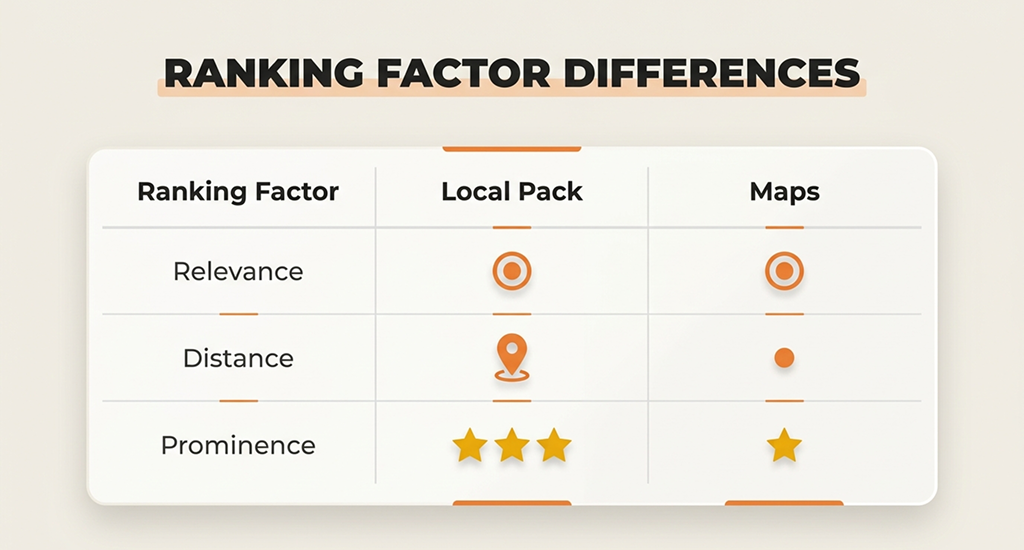
Below is a simple explanation of the three core drivers.
- Relevance: It shows how well a business profile matches a search query on Google. Clear services, proper categories, and full business details help Google understand your company.
- Distance: It explains how close your business sits to the person who searches. Google usually prefers businesses that operate near the search location.
- Prominence: It describes how well-known and trusted a business appears across the internet. Reviews, links from websites, and directory mentions increase this signal over time.
Google also shares an important rule about Google Maps ranking factors in local results. A business cannot pay Google or request a higher place inside the local pack.
The main lesson remains simple for local business owners today. Distance rarely changes, yet stronger relevance and prominence improve map pack ranking visibility over time.
The 9 Ways to Build Location Authority on Google Maps
Strong location authority grows when Google sees clear trust signals around your business location. These signals match important Google Maps ranking factors that influence map pack ranking results. Here are nine proven ways that strengthen local authority step by step.
1. Claim and Fully Optimize Your Google Business Profile
A verified and complete profile forms the base of Google Business Profile optimization. Google states that accurate and verified profiles appear more often in local results, which helps businesses reach stronger map pack ranking visibility.
The first step involves ownership and verification of the business profile on Google. Verification confirms that the owner controls the listing and manages its public information.
After verification, you should complete the important profile sections with correct details.
- Select the correct business category: Choose the main category that describes your core service. You can add helpful secondary categories that match other services your business offers.
- Add services and business details: Include a short business description that explains your services clearly. You should add service lists, attributes, and regular hours so customers understand availability.
- Update special hours when necessary: Holiday hours or event schedules prevent confusion for customers who visit your location.
- Upload photos and short videos often: Photos help customers understand your store, office, or service environment. Clear images of products, staff, and location can create strong trust signals.
A complete profile helps Google understand your business purpose and location clearly. This clarity improves visibility inside local search results and supports stronger Google Maps ranking factors over time.
2. Fix NAP Consistency (Your “Trust Baseline”)
Accurate business details build trust across search platforms and directories. A strong NAP consistency local SEO service can ensure Google sees the same information everywhere on the internet.
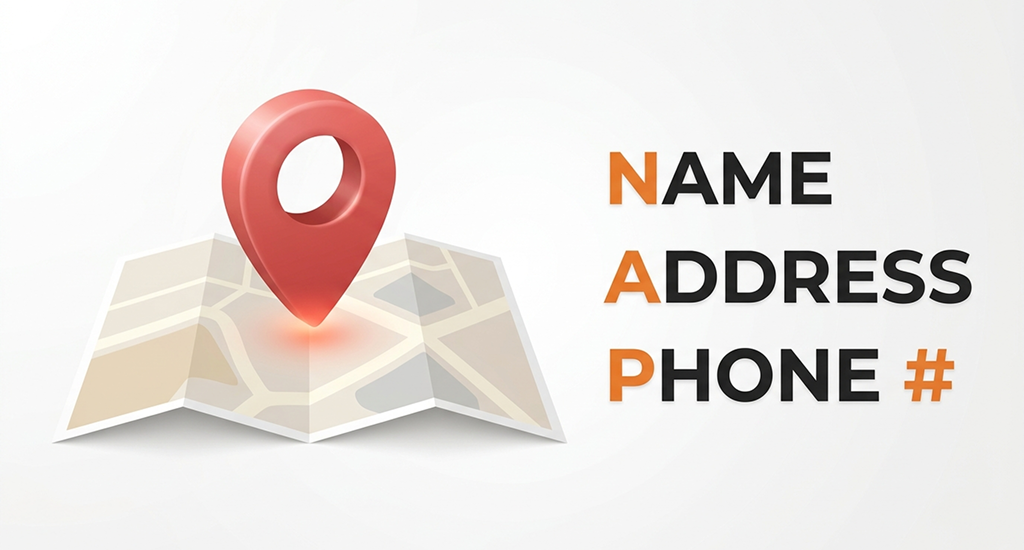
NAP stands for name, address, and phone number of a business location. If these details change across websites, Google may lose confidence in that information.
This common marketing mistake can reduce visibility in local search results and weaken local citations for Google Maps signals.
Here are some of the key steps that help maintain strong NAP consistency.
- Standardize business details: You must use the same business name, address format, phone number, and website URL everywhere online.
- Fix duplicate or outdated listings: Old addresses or duplicate profiles often remain after a business relocation. You should remove or correct these listings across directories.
- Use one main phone number: A single primary number across directories helps search engines confirm your business identity clearly.
You must remember, stable and accurate information builds a strong trust base for Google’s local systems.
3. Build and Clean Up Local Citations
Directories and business listings across the internet create local citations for Google Maps signals. These citations help search engines confirm business authenticity and strengthen location authority Google Maps signals.
A citation usually includes your business name, address, phone number, and website link. Google checks these mentions to confirm that your business exists at the listed location.
You should start with trusted and widely used citation sources.
- Create core citations first: You should focus on major business directories and trusted industry websites related to your service.
- Audit listings for errors or duplicates: Duplicate profiles confuse search engines and customers. You should merge or correct these listings for accuracy.
- Focus on quality instead of large numbers: Thirty accurate citations help more than hundreds of messy or incorrect listings.
Clean and reliable citations strengthen the trust signals that support local search visibility. Over time, consistent citations improve authority and help Google confirm your business location confidently.
4. Get More Reviews and Respond Like a Real Business
Customer feedback builds strong trust for local search results today. Positive ratings and steady review activity improve Google reviews for local SEO. It really helps businesses appear stronger inside how do I get my business to show up first on Google Maps searches.
Google treats reviews as a signal of real customer experience and business reliability. A business with active reviews often gains stronger prominence in local results.
You should use a clear and polite system to collect reviews from satisfied customers.
- Create a simple review request system: You can ask for feedback after a service milestone or a completed project. A polite message works better than repeated requests for reviews.
- Respond to every review: Thank customers for positive feedback and answer questions inside reviews. Calm and respectful replies to negative reviews show professionalism.
- Add helpful photos in responses when possible: A photo can clarify work results or show product details related to a review. This action adds context and proof for other potential customers.
Consistent review activity helps Google measure business popularity and customer satisfaction. Over time, this trust improves visibility and supports stronger local ranking signals.
5. Strengthen Website Local Relevance With Location-Based Pages
Your website supports many signals that influence SEO for Google Maps performance. Clear service pages and location signals also help businesses reach stronger map pack ranking visibility.
Google studies website information to understand business services and service areas. A well-structured website helps search engines connect your business with local searches.
You should focus on clear service pages and strong local signals across the website.
- Build strong service and location pages: Each main service deserves its own page with clear explanations. You should add location pages only for real service areas where your business operates.
- Add contact details and location signals: You have to display the business name, address, and phone number clearly on the website. An embedded map and driving directions also help visitors reach the location easily.
- Use clear internal links across pages: Service pages can link to related location pages for better navigation. Location pages can also connect back to the main services for a clear structure.
These simple signals help Google understand your service area and business relevance. Strong website structure improves local trust and supports better visibility in local results.
6. Create Local Content That Earns Mentions (Not Just “City + Service” Pages)
Local content can strengthen authority when it attracts attention from real communities. Helpful articles and guides support efforts to increase local SEO authority. Also, they can improve their blog posts’ local SEO strategies.
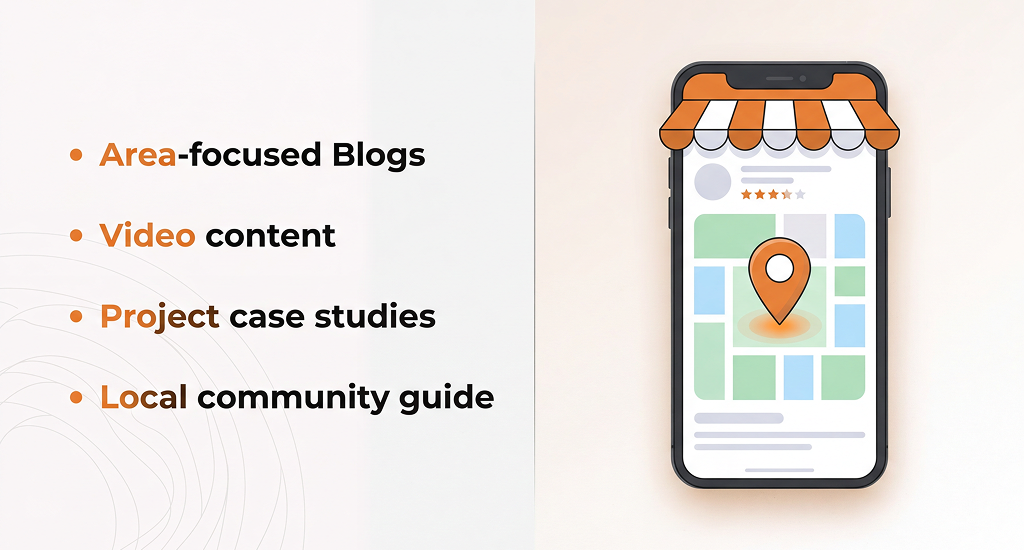
Many websites publish simple service pages with city names and little useful information. Content with real value earns mentions, links, and brand searches over time.
Bear in mind, useful content ideas can build trust and interest within your local area.
- Write project case studies: Explain a completed project inside a specific neighborhood. You should describe the challenge, location details, and the final outcome.
- Create local resource guides: Guides about permits, project timelines, or service expectations can help local customers prepare before a project begins.
- Share community or sponsorship updates: Businesses often support events, charities, or local activities. A simple recap article shows real community involvement and builds credibility.
Helpful local content often earns mentions from blogs, organizations, and community websites. These mentions increase brand visibility and strengthen overall local search authority.
7. Build Backlinks That Point to Your Location and Services
Links from other websites help search engines confirm business credibility and popularity. Strong local backlinks for maps rankings support prominence signals that influence location authority on Google Maps.
Google studies links that point toward a business website and location pages. When trusted websites mention your business, Google receives stronger proof of reputation and local recognition.
A simple link strategy can focus on real community connections and industry mentions.
- Local PR and announcements: You should share business updates, research data, or new partnerships with local media outlets. News coverage can create strong mentions and links.
- Links from local organizations: Join chambers of commerce, trade groups, charities, or supplier partner pages. Many organizations list members on their websites with links.
- Industry and niche authority sites: Industry magazines, expert blogs, and trusted “best of” lists often highlight reputable companies. Earned mentions on these platforms carry strong credibility.
High-quality links improve reputation signals and help search engines confirm your business authority in local search results.
8. Improve GBP Engagement Signals (Photos, Posts, Q&A)
Active profiles perform better in Google local search results because they show clear business activity. Regular updates through Optimize Google Business Profile actions can help customers understand services and build stronger engagement.
Google encourages businesses to update photos, posts, and questions regularly. These updates help users explore the business before they visit or contact the company.
A few simple actions keep the profile active and useful for customers.
- Upload photos each week: You should add real photos that show projects, staff, workspace, or finished results. Local images help visitors trust the business location.
- Publish regular profile posts: Try to share regular project updates, special offers, or service announcements through Google posts. These updates show current business activity.
- Use the question and answer section: You can add common customer questions and clear answers that explain services, pricing expectations, or project timelines.
Active profiles create stronger user interaction signals. Also, they can support better visibility in local search discovery.
9. Avoid Suspensions While Building Authority
Some shortcuts promise quick visibility but often damage a business profile. Safe strategies help build location authority on Google Maps without getting suspended and protect long-term visibility.
Google maintains strict guidelines that control who can appear in local listings. Profiles that break these rules may lose visibility or face temporary removal.
A few careful steps you can take to protect the profile while authority grows.
- Follow eligibility rules carefully: You should use real business information with accurate contact details and correct service descriptions.
- Avoid keyword stuffing in the business name: The official business name should appear exactly as used in legal or storefront branding.
- Never create fake locations: Each profile must represent a real place where the business operates or meets customers.
Stable and honest profiles build trust with Google systems and maintain safe local visibility.
90-Day Location Authority Playbook
Final Thought
Strong location authority and Google Maps growth begin with a clear and accurate business foundation online. Start with complete Google Business Profile optimization, then maintain stable NAP details across directories and platforms.
Next, strengthen trust through consistent citations, real customer reviews, and reputable website links. These signals show Google that your business is active, reliable, and known within the local community.
Follow the weekly 90-day plan and maintain steady updates over time. Consistent effort across NAP, citations, reviews, and backlinks will gradually improve your Google Maps visibility and long-term local ranking strength.
FAQs
How do I take ownership of a location on Google Maps?
How much does it cost to get listed on Google Maps?
How do I get my business to show up first on Google Maps?