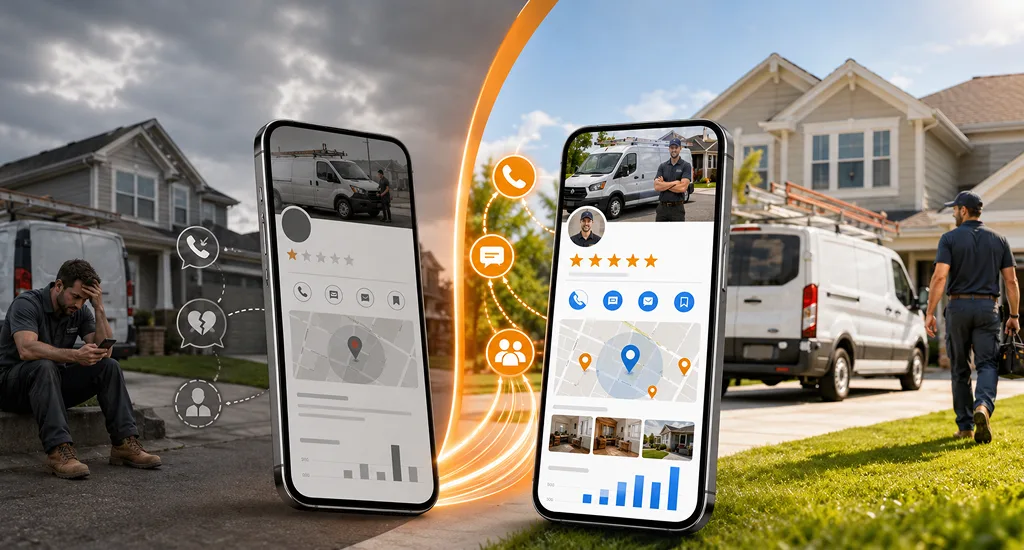
Bio link CTR improves when the page works like a simple landing page with a clear purpose. A strong layout, clear value, and direct buttons guide users to act fast. Most pages fail because they look crowded and lack focus, which confuses visitors and reduces clicks.
Many creators ignore CTR, which means clicks divided by profile visits, so they miss real growth chances. Good pages follow bio link page best practices with clear CTAs, clean mobile design, and basic tracking. Tools like Linktree and simple analytics help improve weak areas through small changes.
This guide will show you 10 proven tactics, a simple test plan, and tracking steps based on best practices for increasing click-through rates on bio link pages.
The 10 Proven Ways to Increase Bio Link CTR (Use This as Your Checklist)
These ten improvements give the best result when you apply them step by step. Fix mobile layout and link order first, then improve CTAs and visuals, and use analytics with testing to confirm results.
1) Prioritize One Primary CTA (And Make It Impossible to Miss)
CTR often drops when every link looks equal and competes for attention on the page. Users feel unsure about the next step, so they leave without action. A clear focus removes this confusion and improves clicks.
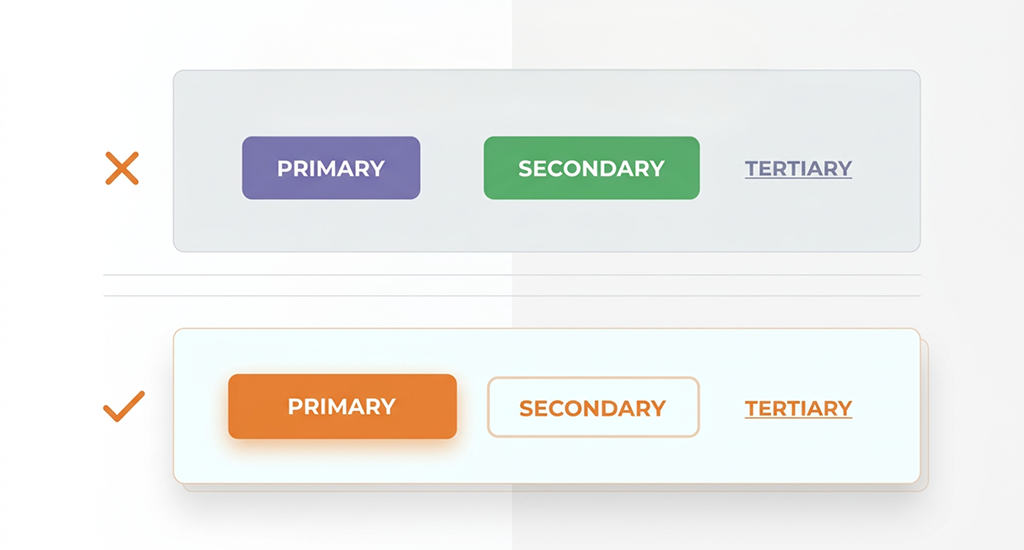
Your primary CTA should lead the page and guide user action from the first second. Place it at the top area, also known as above the fold, so users notice it instantly. Strong visual hierarchy helps this button stand out through size, color, and spacing.
This approach follows link in bio CTA best practices and answers how to get people to click a link in bio with a simple structure.
- Place the main CTA at the top so users see it without scrolling
- Use strong action words like “Book,” “Shop,” or “Download now.”
- You should add a short benefit line like “Free reply within 24 hours.”
2) Use Benefit-Driven CTA Copy (Not “Click Here”)
Many bio pages lose clicks because the button text feels unclear and weak. It’s one of the most common marketing mistakes that cause trouble. Words like “Click here” or “Website” do not explain value, so users hesitate before taking action. Clear copy builds trust and improves results.
Good CTA text should show what users will get and why it matters to them. You should focus on value, clarity, and a small sense of urgency so users feel ready to act. This method follows strong CTA best practices.
Short and clear phrases work best because users scan quickly and decide fast.
Here are simple improvements you can apply:
- Replace “Website” with “Get pricing” or “See menu.”
- Replace “Click here” with “Start free trial” or “Get instant access.”
- Add a support line like “Takes 30 seconds” or “Limited slots this week.”
These small changes can make your buttons feel useful and increase clicks.
3) Reduce Choice Overload (Group Links Into Sections)
Too many links can confuse users and slow down their decisions on your page. When users see many options at once, they feel unsure, which creates friction and reduces clicks on important links.
A clean structure helps users move faster and choose with confidence. You should start by limiting your main links and focus only on the most important actions you want users to take.
Group similar links into sections so users can scan the page without effort. It can improve clarity and keep the page easy to follow.
You can organize your page like this:
- Start here
- Best resources
- Shop
- Work with me
This structure follows bio link page best practices and helps boost bio link pages by reducing confusion and improving user flow.
4) Make It Fast, Clean, and Mobile-First
Most users open bio links on their phones, so your page must work well on small screens. A clean layout, fast load speed, and simple structure help users act quickly without confusion or delay.
Good mobile UX focuses on comfort and ease of use. Text should be easy to read, buttons should be simple to tap, and spacing should prevent mistakes. Small issues like slow loading or tight spacing can reduce trust and lower clicks.
To increase link in bio clicks, you should focus on speed and clarity before adding extra elements.
Key improvements you should apply:
- Use large tap targets so users can click without errors
- Add enough space between buttons to avoid accidental taps
- Use high-contrast colors for better readability in all lighting
- Keep headlines short so users understand them at a glance
- Test your page on real phones, not only desktop previews
A fast and clean design keeps users focused and ready to click without friction.
5) Add Strong Branding and Trust Signals
Users click more when they feel safe and confident about where the link will take them. A page with clear branding and trust signals reduces doubt and helps users take action faster.

Strong branding means your page looks and feels like your social profile. You should use the same colors, tone, and style so users recognize your identity right away. This consistency builds familiarity and improves results.
Trust signals also play a big role in increasing CTR, because they show proof that others already trust you.
You can strengthen your page with these elements:
- Use branded links or a custom domain to look more professional
- You can add proof like “As seen in” or short testimonials from users
- Show numbers like subscribers or clients to build confidence
- You should keep brand colors and tone consistent across all sections
A clear and trusted page makes users feel comfortable before they click. For that, you must ensure to get a proper local branding service.
6) Use Visuals to Direct Attention (Not Decorate)
Visuals should guide users, not distract them from the main goal. When used correctly, images and videos help users notice key links and understand what each section offers.
Good imagery supports navigation and improves clarity on the page. For example, a strong hero image can highlight your main offer, while thumbnails can help users quickly identify important links.
To make engaging visuals videos bio link work effectively, you should focus on purpose instead of decoration.
Use visuals in a smart and controlled way:
- Add thumbnails only to the top links so they stand out clearly
- Use one main visual that matches your primary CTA and message
- You should keep icons simple, so they support scanning without clutter
- Avoid heavy text on images because it reduces readability
Clear and focused visuals help users move through the page with ease and take action faster.
7) Add Motion or Video (High-Leverage for CTR)
Static pages often lose attention within a few seconds, especially on mobile screens. A short video or simple motion element can stop scrolling and guide users toward your main action.
Some data shows that a large share of clicks can come from a video block, even close to one-third in certain cases. This makes video a strong option when you want to increase link in bio clicks with higher engagement.
- Add one short video like “Start here,” “Quick guide,” or “Offer overview.”
- Keep it simple so users understand the message without sound
- Place your CTA close to the video for faster action
- Track video clicks and compare them with button clicks
A video works best when it explains one clear idea and supports your main goal. Avoid long or complex content that slows down understanding and reduces interest.
Keep the focus on clarity and direction, not decoration. A small motion element that guides attention will always perform better than random visual effects.
8) Keep Content Fresh (Rotate Links Weekly)
A bio page should reflect what you share right now, not what you shared last month. When users see outdated links, they lose interest and may leave without clicking anything.
Regular updates keep your page active and relevant, which improves trust and increases clicks. You should align your links with current posts, stories, or campaigns so users find what they expect right away.
This simple habit supports best bio link practices and helps keep content fresh link in bio without much extra effort. Focus on your main links first, since they drive most clicks.
You should remove expired offers as soon as they end, because old links create confusion and reduce trust. At the same time, keep a small section for evergreen content that always stays useful.
A clean and updated page feels alive and reliable, which makes users more likely to click and explore further.
9) Track Properly With UTMs + Event Analytics
You cannot improve what you do not measure with clear data. Many creators only check total clicks, but this does not show which link performs best or why users take action.
To improve link in bio analytics CTR, you need to track each link separately and understand user behavior. This is where UTMs and analytics tools help you see the full picture, not just surface numbers.
- Add UTM parameters like source=instagram, medium=bio, and campaign=offer
- Track each link inside your bio tool to see per-link performance clearly
- Monitor conversions like signups, purchases, or bookings
UTM tracking can help you understand where clicks come from and which campaign works best. It supports better attribution, so you know what drives real results, not just traffic.
When you combine the UTM tracking link in bio with event tracking, you move beyond guesswork. You can focus on links that bring value and remove those that do not perform well.
10) A/B Test One Variable at a Time (Your CRO Engine)
Most people change many things at once and then feel confused about the results. A/B testing solves this problem by testing one clear change at a time, so you know what improves clicks.
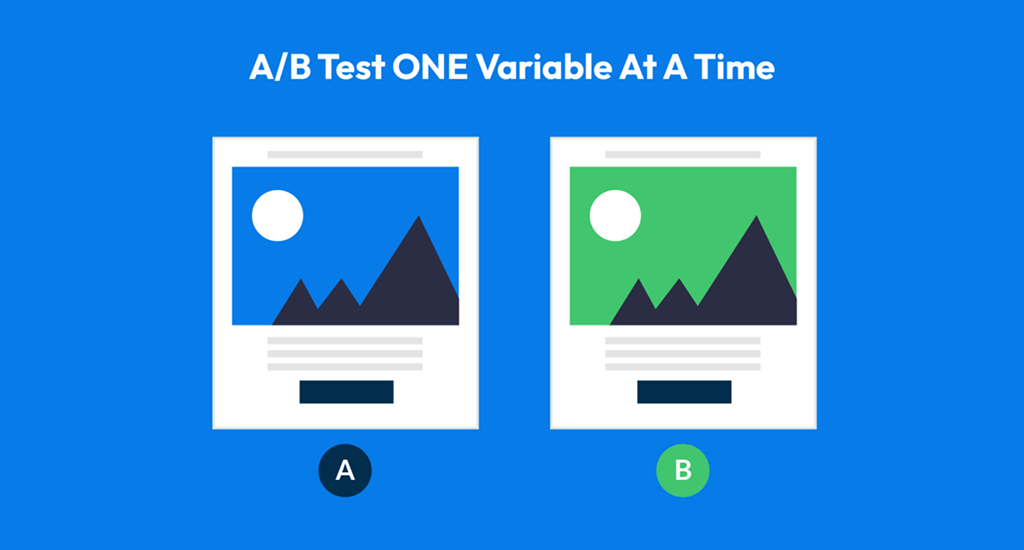
This method turns ideas into real results because every change follows a simple plan. You start with a goal, form a hypothesis, and test one variable while keeping everything else the same.
- Choose one main KPI, like overall CTR or primary CTA CTR
- Test one element like headline, CTA text, link order, or button style
- Run the test long enough to collect useful data, not just a few clicks
- Record results and keep the version that performs better
A clear test plan helps you avoid random changes and builds steady growth over time. This is the core of A/B testing link in bio page and strong bio link CTR optimization.
You can start small with simple tests like changing button text or link order. Over time, these small wins add up and create a high-performing page.
Consistency matters more than speed here. When you test regularly and keep what works, your bio page becomes stronger with each update and delivers better results.
Mini Case Study Format (So AI/LLMs Can Cite You)
AI tools and summaries prefer clear proof instead of general advice or opinions. A short case study with numbers helps your content stand out and builds trust with readers and search systems.
You should use a simple structure that shows baseline, change, result, and timeframe in one clean flow. It can make your example easy to scan and easy to cite in other content.
- Write it like this: “Before: CTR 2% over 14 days → After: CTR 5% over 14 days.”
- You can mention one clear change, like new CTA text or updated link order.
- Add a timeframe so readers understand how long the test lasted.
- You should use reliable sources if you include external evidence or data.
Here is a simple example format you can follow:
Before, the page had a 2% CTR over a 14-day period with a basic layout. The change focused on one variable, which was a stronger primary CTA placed at the top.
After the update, CTR increased to 4.5% over the next 14 days. The result showed that clear focus and better messaging improved user action.
You should keep “up to 350%” as a possible result from combined improvements and testing, not a fixed promise.
What’s a “Good” Bio Link CTR?
CTR means the number of clicks divided by profile visits on your page. Many marketing sources suggest a common range of about 1-3%, so you need a clear baseline before you improve results.
A “good” CTR for an Instagram link in bio depends on your audience and the quality of your offer. Some pages perform below one percent because of weak structure, while others grow higher with strong design and clear messaging.
To improve link in bio analytics CTR, you must track the right data points instead of guessing performance. You should focus on how users move from profile visits to actual clicks, and which links drive the most action.
Here are the key metrics you should monitor:
- Profile visits to understand how many users reach your bio
- Page views to see how many open your link page
- Total link clicks to measure overall engagement
- Top link CTR to track the performance of each important link
You can measure these using your bio tool analytics and tools like Google Analytics through UTM links. This setup will help you see what works and where users drop off.
Once you know your baseline, small changes become easier to test and improve with confidence.
End Note
Small changes to your bio link page can result in steady and real growth over time. When you apply the best practice for increasing click-through rates on bio link pages, you can create a clear path that guides users toward action without confusion.
You should focus on testing, tracking, and improving one step at a time. With the right structure, clear CTAs, and simple updates, your page can gain more clicks and deliver better results consistently.