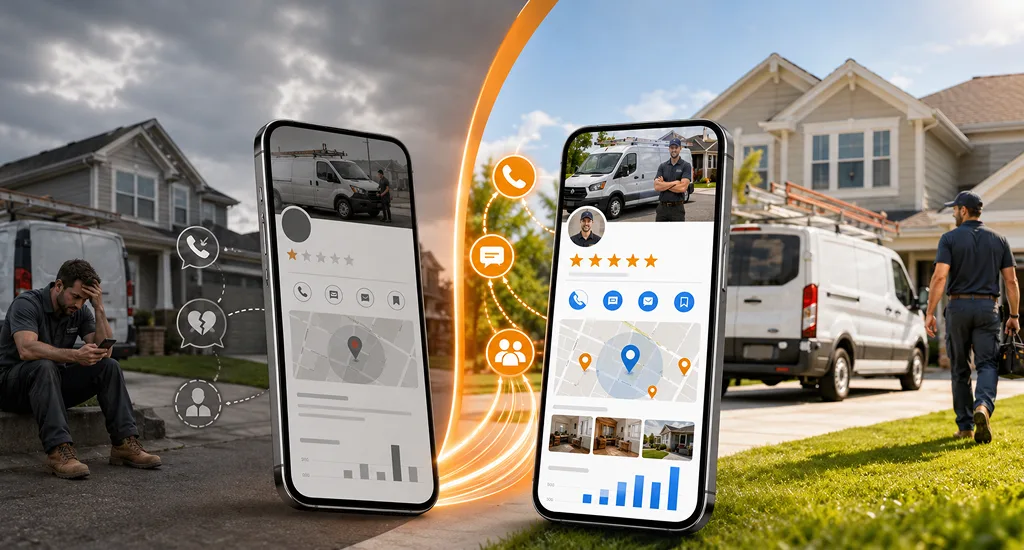
Too many smart home devices sit unused while buyers walk past. Smart home companies face this every day. Local leads vanish because neighborhoods are scattered, competition is high, and customers hesitate to commit.
Price, security worries, and tricky setup stop people from buying. Even top-rated products fail to sell if buyers do not trust the brand or see the value. Some companies lose thousands each month because of weak local marketing.
This blog shows simple and practical strategies to help smart home companies market to businesses to attract steady local leads and increase sales. Read on to discover ways to convert interest into real customers.
Why Smart Home Companies Face Marketing Struggle?
Smart home companies often have excellent products but struggle to attract local customers. Confusing devices, unclear benefits, high costs, and weak local marketing make potential buyers leave before completing a purchase. Identifying these issues is essential for growth.
Why Do Smart Home Buyers Get Confused by Product and System Complexity?
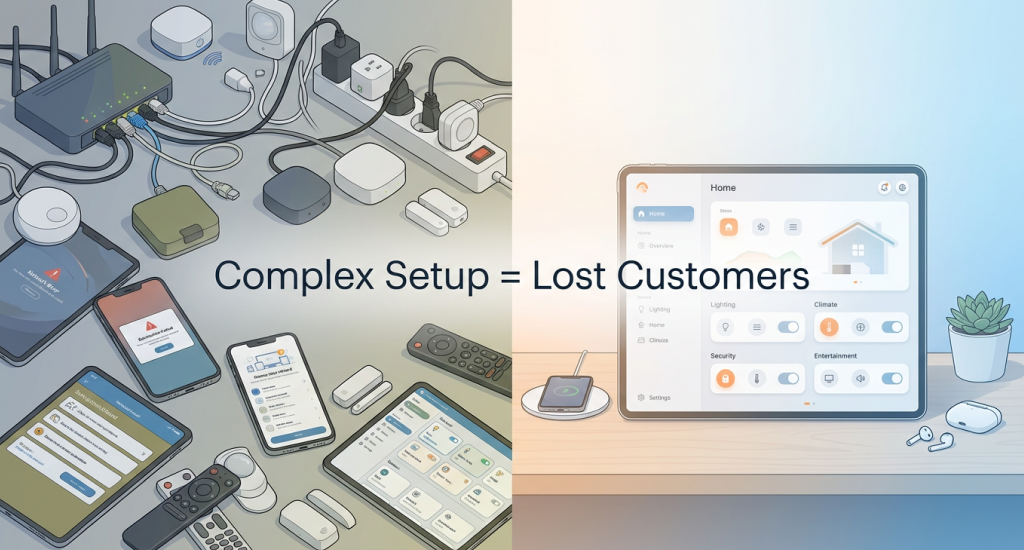
Smart home devices often require multiple apps, hubs, and platforms to function properly. Customers quickly feel overwhelmed when they need to connect several devices or learn multiple interfaces. This type of hassle makes the installation process intimidating and frustrating.
Even simple automation, like programming lights or adjusting thermostats, can confuse new buyers. When users cannot see immediate benefits, they lose interest and may abandon their purchase entirely before exploring the system fully.
Companies can improve conversions by simplifying setup instructions. They can provide guided tutorials and offer strong customer support. A smooth web design simplifies user experience and the onboarding experience, reducing confusion, building confidence, and encouraging potential customers to complete their purchase locally.
Why Do Smart Home Companies Fail by Selling Gadgets Instead of Real Outcomes?
Many smart home companies focus on product specifications rather than practical results. Technical details, like sensor range or hub compatibility, are highlighted, while buyers are more interested in real-life outcomes that improve their daily lives.
Marketing must emphasize convenience, safety, energy savings, and comfort rather than features alone. Audiences want to know how devices will solve specific problems and make routines easier or more efficient.
- Focus on outcomes instead of technical specs
- Show how devices save money or time
- Highlight security and family safety benefits
- Customize messaging for local customers
- Use clear language that is easy to understand
Lack of Interoperability & Fragmented Market
The smart home market is highly fragmented. Devices from different manufacturers often use competing protocols, causing compatibility issues. Customers hesitate to invest when they are unsure if new devices will work with existing setups or future upgrades.
This fragmentation increases trust concerns. Buyers worry about whether devices will continue functioning together. Also, if updates might break connectivity, or they will need to replace products soon. They can surely discourage them from purchasing locally.
Smart home company marketing for small businesses that communicate device compatibility, support popular platforms, and display integrations can build trust. Clear guidance about interoperability reassures customers, helps them make confident decisions, and increases the likelihood of conversion.
High Cost & Unclear ROI
Smart home products are often expensive. Beyond the cost of the devices, installation fees, subscription services, and potential maintenance add up. These points make it difficult for buyers to understand the overall value proposition.
Many consumers hesitate because they cannot easily see a return on investment. They question whether energy savings, convenience, or improved security justify the high initial expense. As a result, many potential leads end up abandoning the purchase.
Companies can clarify ROI by providing real examples, like monthly savings or efficiency improvements, and offering transparent pricing options. This approach helps customers understand tangible benefits and builds trust with local buyers.
Weak Audience Segmentation and Messaging
Generic marketing fails to connect with diverse buyers. DIY enthusiasts, high-end homeowners, and cost-conscious customers all require customized messaging to understand the benefits that match their priorities and lifestyle.
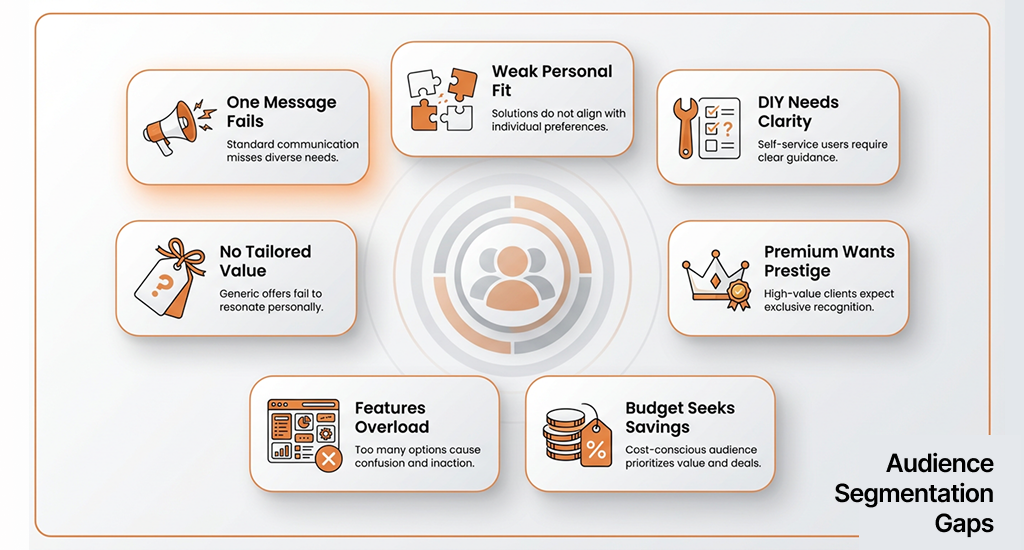
Websites, emails, and advertisements often focus too heavily on product features. Without identifying the specific needs of each audience segment, leads lose interest quickly and may not convert.
- One-size-fits-all messaging reduces engagement
- DIY buyers need step-by-step guidance
- High-end buyers seek reliability and prestige
- Budget-conscious buyers focus on cost savings
- Customized content improves conversions
Poor Multi-Channel Funnel Execution
Many companies operate disconnected marketing channels. SEO, paid ads, video content, and blogs are often not aligned. This condition can decrease engagement and overall lead conversion.
Potential buyers want demonstrations, case studies, and interactive content to understand products better. Without a structured funnel, interest decreases, and many leads leave before purchasing.
- SEO alone cannot generate leads
- Case studies build credibility
- Interactive demos boost confidence
- Unaligned campaigns reduce trust
- Coordinated funnels increase conversions
Neglected Local SEO and Google Business Profile Optimization
Local visibility is fundamental for attracting nearby buyers. Many companies have incomplete or outdated Google Business profiles. This type of gap in optimization can cause potential customers to leave before even discovering the company.
Missing service areas, photos, reviews, and accurate contact information reduce trust. Buyers searching for local solutions often choose competitors with more complete profiles.
Optimizing local SEO and business listings ensures higher visibility in local searches. Accurate information, strong reviews, photos, and clearly defined service areas build trust and attract consistent local leads.
Overlooked Partnerships & Offline Channels
Offline channels are often underutilized. Builders, utility companies, and local communities provide opportunities for partnerships that can drive local lead generation and build trust.
Co-branded events, demonstrations, and promotions let customers see products in action and interact with trusted sources. These can really increase confidence in making a purchase.
- Partner with builders and contractors for referrals
- Collaborate with utilities for promotions
- Use local events to display products
- Host in-person demos to build trust
- Create co-branded offers for added credibility
Unaddressed Objections & Trust Issues
Customers often hesitate because of concerns about security, privacy, technical complexity, and high costs. Companies frequently fail to address these objections effectively. As a result, many potential buyers abandon the purchase process.
Without reviews, certifications, or testimonials, hesitation increases. Social proof and guarantees help reassure buyers and reduce friction in decision-making.
- Security and privacy worries
- Concerns about high costs
- Lack of social proof
- Missing certifications
- Complexity doubts
Ineffective Measurement & KPIs
Many companies do not track high-level marketing funnel performance properly. From website visits to demos and installations, missing data prevents informed decisions and reduces efficiency.
Without accurate metrics, marketing budgets are misallocated, ROI is unclear, and strategies cannot be optimized. Measuring major performance indicators is essential to improving local lead generation.
- No tracking of leads or conversions
- Funnel performance is unclear
- Marketing spend is often wasted
- ROI cannot be accurately measured
- Data-driven improvements are limited
How Smart Home Companies Can Fix Local Lead Challenges
Smart home companies can overcome local lead problems with targeted strategies. From messaging to SEO, partnerships, and funnels, these actionable steps can help convert local interest into paying customers consistently.
Reframe Positioning Around Outcomes
Smart home companies should focus messaging on practical benefits like home security, convenience, and energy savings. Buyers respond more to solutions that improve daily life than to technical specifications or device features alone.
Use persona-led messaging to connect with specific segments like busy parents, older homeowners, and new buyers. Specific examples help prospects see the value in a personal way.
Try to provide tools like ROI calculators, case studies, and social proof. Clear and real benefits build trust. They can lift your brand and positively push local leads toward action.
Segment Audiences & Map Messaging
You should define primary audience segments to target effectively. DIY homeowners value ease and affordability. Value-conscious buyers respond to rebates, energy savings, and ROI metrics. High-end buyers focus on luxury, concierge service, and convenience.
Try to customize messaging and calls-to-action for each segment. Content, emails, ads, and landing pages should reflect the specific benefits, language, and pain points relevant to each group.
- DIY/Homeowner → focus on simplicity and price
- Value-conscious → highlight rebates and energy ROI
- High-end → emphasize prestige and convenience
- Use targeted CTAs per segment
- Align campaigns with local behaviors
Implement a Multi-Channel Funnel
At the top of the funnel, one should put SEO, educational videos, and social content to attract attention. Awareness campaigns must be easy to find and engaging to local audiences.
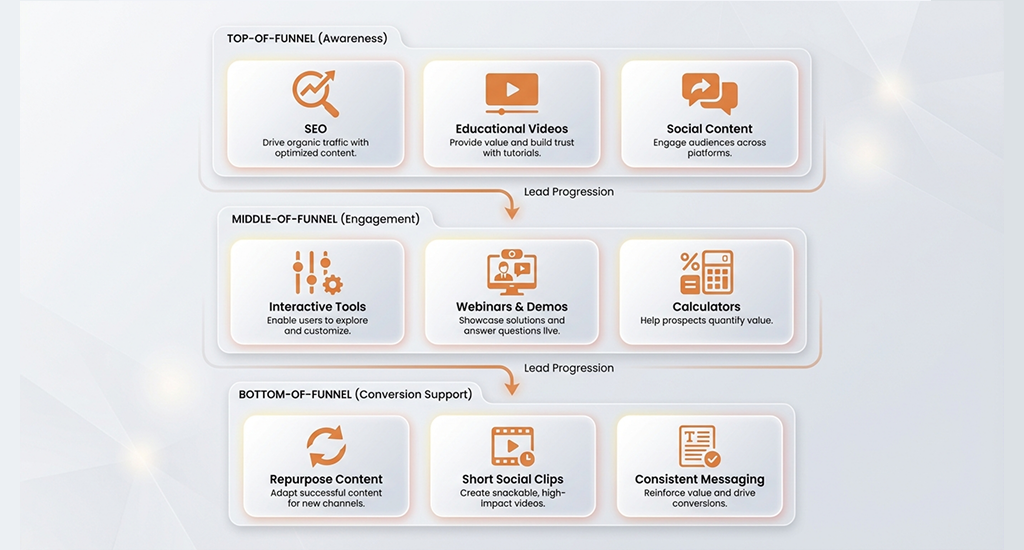
In the middle, try to provide interactive tools, webinars, calculators, and demos that let the buyers experience products virtually. These resources reduce hesitation and build confidence.
Repurpose hero content into short social clips and videos. Multi-channel content ensures consistent messaging, maximizes visibility, and increases the chance of local leads progressing to purchase decisions.
Content & Video Strategy
It is nice to have short hero demos of three minutes each and break them into 8-10 social clips. Highlight energy savings, security improvements, and convenience in practical terms for local audiences.
Case studies showing tangible ROI help buyers understand the benefits clearly. Video content drives higher engagement and trust than text-only explanations.
You should produce device comparisons, localized content with schema markup, and customer reviews. This type of smart home company marketing strategy will show you local relevance and credibility, which would increase the likelihood of converting nearby leads.
Optimize Local SEO & Google Business Profile
Companies should ensure all business profiles are complete with accurate information, photos, and service-area pages. Try to optimize for location-specific keywords to attract nearby buyers actively searching online.
Use the FAQ schema to address common questions, highlight case studies, and encourage review velocity. Real reviews build trust, while structured content improves search visibility.
- Complete profiles with location-specific keywords
- Add high-quality photos and videos
- Define clear service areas for local search
- Use the FAQ schema to answer common questions
- Display case studies to increase credibility
Paid Acquisition & Geo-Targeted Advertising
Paid search and social campaigns can target local buyers with high intent. Try to use search ads for keywords like installers, smart home rebates, and local service offers.
Social campaigns should combine interest-based and lookalike audiences. Retargeting campaigns with dynamic creative engage previously interested users and remind them of the value.
- Search: target commercial-intent keywords
- Social: interest-based + lookalike audiences
- Retargeting: dynamic creative ads
- Tactical offers: $99 consultations, 0% financing, free demos
- Measure local ROI for each channel
Build Partnerships & Offline Channels
Partner with builders, utilities, and local businesses to increase reach. Co-branded offers, demos, and sponsorships provide credibility and trust with local audiences.
Neighborhood events, webinars, and HOA or community sponsorships create opportunities for face-to-face engagement. They let potential buyers interact with products firsthand.
You can utilize certification programs like CEDIA or technical whitepapers. These initiatives promote credibility, reassure buyers, and level up brand perception in local markets.
Address Objections & Build Trust
Customers often hesitate because of security, complexity, or cost. You should identify these objections directly through messaging and practical solutions. Also, it will show buyers that their concerns are taken seriously.
Integrate trust signals like reviews, certifications, and social proof to reduce friction. Clear prices and open support build strong buyer confidence. People trust a brand more when costs and help are easy to see.
- Security: SOC-certified monitoring, encrypted communications
- Complexity: certified technician setup, 30-day support
- Cost: ROI case studies, transparent pricing, financing
- Social proof: reviews and testimonials
- Certifications: CEDIA or industry endorsements
Enhance Conversion & Post-Sale Experience
Onboarding should be clear, simple, and supportive. Referral incentives encourage word-of-mouth leads, while maintenance upsells increase customer lifetime value.
CRM automation and AI chatbots speed up follow-ups, nurture leads, and reduce friction. Fast responses can increase buyer confidence and improve conversion likelihood.
- Clear onboarding guides for new users
- Referral programs for existing customers
- CRM-driven automated follow-ups
- Maintenance and upsell opportunities
- AI chatbots for instant support
Track KPIs and Optimize
You should monitor funnel performance from impressions to visits, demos, and booked installations. Clear checks at each step reveal drop-offs and show where you can raise conversion.
Track unit economics, like customer acquisition cost, lifetime value, payback period, and average order value. Content metrics like time-on-page, video watch-through, and demo conversion rate provide insights for optimization.
- Track funnel conversions by stage
- Measure CAC, LTV, and payback period
- Analyze content performance
- Monitor demo conversion rates
- Use data to optimize campaigns
Run High-Impact 90-Day Experiments
You should test local landing pages combined with paid search in a single city. Short-term experiments let companies measure impact without heavy long-term commitments.
Video demo retargeting funnels help re-engage leads who previously showed interest. Pilot partner referral programs with 2-3 builders or utilities to identify high-performing channels.
- Test landing pages and local SEO
- Run paid search in small geographic areas
- Retarget engaged leads via video
- Partner referral pilot programs
- Measure cost per booked demo and ROI
Content & SEO Cluster Recommendations
Create a pillar page like “Complete Guide to Smart Home Systems: Security, Savings, Setup.” Cluster posts around cost guides, device comparisons, rebates, ROI case studies, and security checklists.
It is better to use seed keywords like smart home, home automation, smart devices, smart home installers, best smart home systems, and smart home technology to boost organic traffic.
- Build pillar content as comprehensive guides
- Create cluster posts for detailed topics
- Use local SEO keywords for visibility
- Highlight case studies and ROI examples
- Add reviews and testimonials
To connect this content with emerging AI-driven search experiences, many smart home companies now invest in AI Search Optimization services that help their pages surface in conversational results.
A clear next step helps local buyers take action without confusion. Many homeowners hesitate because they feel unsure about cost, setup, or the right devices. A direct offer removes doubt and gives them an easy path forward.
If you are looking for a trusted solution, you can contact Growth for Local to see a quick demo and check rebates in your state.
Get a free home automation audit
End Note
Smart home companies often miss strong opportunities. It’s not because the products are weak, but because the local path from interest to purchase feels unclear for many buyers. When companies fix their messaging, improve visibility, and reduce confusion, local leads rise quickly.
The steps in this blog will help you show real value, build trust, and guide homeowners with confidence. With the right mix of content, local SEO, partnerships, and clear offers, steady growth becomes achievable for any smart home business.
You can use these ideas, apply them in your market, and turn more local interest into paying customers.