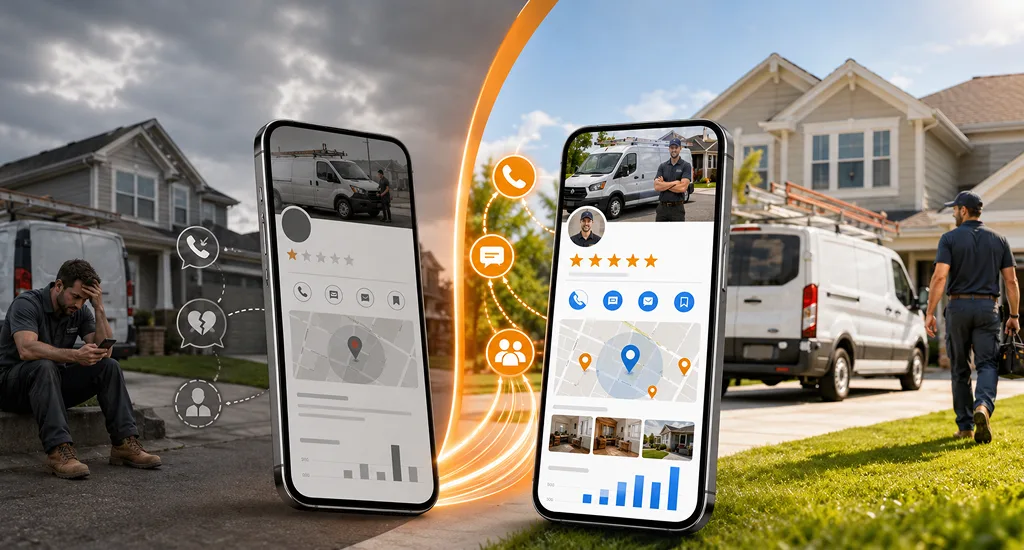
A single bad review can shake your trust, especially when it’s not even from a real client. Many small business owners face this headache and feel unsure about what to do next.
To respond to a 1-star review from someone who isn’t your client: politely state you have no customer record of them, invite private verification, and flag the review with the platform for violating fake review policies. This protects your Arizona business’s reputation professionally.
This blog will guide you step-by-step on how to respond to a 1-star review not from a client, fairly and professionally. Read this blog to stay protected and confident.
What Is a Fake & Fraudulent Review?
Online reviews help people trust a business before they visit. But not every review is real or honest. A fake review or fraudulent review is a post written by someone who never used your service. These reviews often aim to damage your name or boost a rival’s score.
In Arizona, many honest businesses lose trust because of such misleading comments. Knowing what a suspicious review looks like can help you protect your hard work.
What Makes a Review “Suspicious”?
A suspicious review usually comes from someone who has never had any real contact with your business. You might find no service record or booking under their name. Their comments are often too vague or sound copied from other posts.

Some accounts write many reviews within a few minutes, which shows a clear pattern. New profiles that post only negative comments are another warning sign. All these signs point to low review authenticity, meaning the review cannot be trusted.
These are the first clues that help you spot a fake negative review.
Common Types of Suspicious Negative Reviews
Not every bad review comes from a real customer. Some 1-star reviews are fake, mistaken, or even targeted attacks. Here are the most common types:
- Competitor Sabotage – Rival businesses posting fake 1-star reviews to damage your rankings, often with vague complaints and no specific details about services.
- Mistaken Identity – Customers confusing your business with a similar name or location, leaving negative feedback meant for another company.
- Extortion Attempts – Individuals threatening bad reviews unless you pay them or provide free services, common in Arizona’s service industries.
- Disgruntled Non-Customers – People upset about your prices, policies, or stance on issues who’ve never actually used your services.
- Bot/Spam Accounts – Automated fake profiles posting generic negative reviews across multiple businesses, identifiable by new accounts with minimal activity.
Each type has its own level of damage. You can think of it on a scale from 1 (minor confusion) to 5 (serious harm).
Impact of Common Fake Reviews on AZ Businesses
A fraudulent review doesn’t just lower your stars; it can affect how people see and trust your business online. These fake comments damage your business’s credibility and stop real clients from contacting you.
Here’s how a fake review can hurt your local business’s SEO in Arizona:
- Drops your rankings: Fewer stars can push you down in Google results.
- Cuts your click rate: People often skip listings with low ratings.
- Reduces conversions: Fewer visitors turn into real customers.
- Weakens reputation: It creates doubt about your service quality.
If you learn how to handle a 1-star review response not from my clients, you can keep your strong reputation and protect your business reputation from unfair harm.
What to Do in the First 24 Hours of Getting a Fake Negative Review
When a fake or unfair review appears, the first day is very important. A quick but calm plan helps you manage the problem while keeping your local branding intact. Here’s what you should do step by step to protect your business and handle the situation wisely.

A. Pause. Don’t React Emotionally (24-Hour Rule)
Your first reaction might be anger or stress, but that’s normal. Still, do not reply right away. Wait at least an hour before you post anything. This short pause gives you time to think clearly and prepare a polite review response.
Staying calm also prevents making small mistakes most startups do, which can turn into bigger fights online. A cool head is your best tool for crisis management.
B. Verify the Reviewer (CRM / POS / Calendar)
Before you take action, make sure the person actually used your service. Verify the customer by checking your booking list, payment record, or appointment notes. Look for their name, phone number, or email address in your system.
If you find no record, you can confirm the transaction did not happen. But remember, never post or share private details like emails or medical info, as laws such as HIPAA and PII rules protect that data.
C. Build a Legal-Grade Evidence File
Next, gather proof in case the problem grows. Fake review evidence collection helps you show that the review is not real. Take full-page screenshots of the review with the date, time, and URL. Check the reviewer’s profile for posting history and patterns.
Note how often they post and what they write about. Save all of this in one folder. If you ever need to report or escalate, notarized papers or affidavits make your evidence documentation stronger.
D. Internal Protocol (Who Does What)
Everyone in your team should know how to act when a fake review appears. Create a clear review policy that says who will handle each step, from checking the post to drafting the response.
The front desk can use message templates to reply politely to real customers while the manager deals with suspicious ones. Good internal communication keeps everyone calm and on the same page.
How to Create the Perfect Public Reply
Writing the right reply matters more than most people think. When you post a response, you’re not really talking to the reviewer; you’re showing future customers how you handle problems. A calm and clear reply builds trust and keeps your reputation strong. Here’s how to do it right.
1. Audience = Prospects (Not the Reviewer)
Remember, your real audience is everyone reading the review, not the person who posted it. Keep your tone polite, factual, and professional. A professional response shows you’re confident and fair.
Don’t sound angry or defensive, even if the comment feels unfair. Never share private or personal details about any customer, as that breaks privacy rules and can cause legal issues.
2. Templates (Copy / Paste + Customize)
It helps to keep ready-made messages you can adjust for different cases. These review response templates save time and make sure your tone stays professional. Here are a few examples of sample responses to negative reviews you can use and edit:
- Suspected Non-Client: “We can’t find any record of your visit in our system. Please contact our office directly so we can learn more and help clear this up.”
- Mistaken Identity: “It seems there may be confusion with another business. We’d love to help fix that. Please reach out so we can confirm the details.”
- Competitor Attack: “We take feedback seriously, but we could not verify this visit. Our team works hard to give all clients the best experience possible.”
- Extortion Attempt: (never use the word “extortion” in public) – “We’re always open to honest feedback. If there’s a real concern, please contact us privately so we can resolve it fairly.”
These examples help you when responding to a negative review example that doesn’t come from a real client.
3. What to Say / What NOT to Say
A smart response strategy protects your image while showing professionalism.
Say this:
- Thank the reviewer for their feedback.
- Invite them to contact you privately.
- Ask for basic details so you can check the record.
Avoid this:
- Don’t argue or make threats.
- Don’t name staff or clients.
- Don’t post personal or private data.
Polite and short messages leave a strong impression on anyone reading your profile.
4. SEO Considerations in Replies
Each reply also supports your online visibility. When you answer, mention your service or location naturally, not as a sales pitch. For example, “Our dental clinic in Phoenix always aims for gentle, quality care.”
This approach will help your Google Business Profile look active and build trust with readers. Balanced replies like this do the marketing for your local business and strengthen your online presence.
Reporting & Flagging on Major Platforms
-
Google Business Profile: Exact Steps & Evidence to Attach
When a review violates Google’s rules, you can report fake review content through your Google Business Profile. Here’s how to do that:
- Go to the review, click the three dots, and choose Flag as inappropriate.
- Pick a category such as Conflict of Interest or Not a Customer.
- Attach screenshots, booking records, or communication logs to prove your case.
- If Google doesn’t act, submit a second appeal and include stronger evidence.
These steps help your chances of review removal. For reference, this process works as a real response to a negative review example done with care and facts, not emotion.
-
Yelp, Facebook, BBB – Policy Differences & Tactics
Each platform has its own way of handling fake or unfair comments. Yelp uses a recommendation filter that may hide suspicious posts automatically.
Facebook reviews fall under their community standards, so report reviews that contain false claims or hate speech. The BBB allows a dispute process where you can share records or written proof directly with the moderator.
-
Timelines & What to Do if Refused
After reporting, wait a few business days. If no action is taken, re-flag the review with new evidence or pattern examples showing repeated abuse. Keep your public reply polite and pinned. It shows professionalism even if the post stays online.
Legal Options to Take Against Fake Reviews in Arizona
Sometimes fake reviews cross the line from unfair to unlawful. In Arizona, you have real ways to defend your business, but it’s important to act wisely and follow the rules. Here’s how fake review legal action works under state and federal laws.
1. Arizona Defamation Basics & CRFA
Under Arizona defamation law reviews, a statement becomes defamation when it is false, shared publicly, and harms your reputation or income. Opinions like “I didn’t like the service” are not defamation, but false claims such as “they overcharged me” can be.
Always keep detailed records and screenshots. The Consumer Review Fairness Act (
CRFA) protects honest reviews but bans contracts that silence customers with unfair NDAs. This means you can’t block real reviews, but can act when someone spreads lies.
2. Anti-SLAPP & When to Call an Attorney
Arizona’s Anti-SLAPP law protects free speech but also stops people from abusing legal threats. Before taking action, check if your case is worth the cost.
Filing a lawsuit too quickly can backfire and appear as intimidation. Speak to an attorney who understands libel and online defamation; they can help you balance your rights with the public’s right to review.
3. Cease & Desist / Small Claims / Evidence Standards
A lawyer can start with a cease and desist letter. It’s often enough to make the reviewer remove the post. If that fails, a small claims court may help when you have solid proof. Keep every screenshot, timestamp, and message. These meet the evidence standards needed for court or settlement.
Platform-Specific Response Strategy to Fake Review
Every review site works differently, so your reply should match the platform’s tone and rules. A smart plan helps you stay professional and protect your reputation everywhere.
a. Google Business Profile
On Google, your reply shapes how future customers see you. Keep it polite and factual. Mention your service area or specialty naturally to strengthen your local SEO. Avoid arguing; instead, invite the reviewer to contact you privately.
b. Yelp
Yelp values transparency. If you suspect a fake comment, reply briefly and stay calm. Acknowledge the concern, then note that you can’t find their record. Yelp’s filter may later hide false reviews, so patience pays off.
c. Facebook
Facebook reviews reach friends and local groups fast, so tone matters. Write a kind and clear response that shows openness to real feedback. Avoid long explanations; simple honesty works best on social media.
d. BBB (Better Business Bureau)
The BBB allows formal disputes. Reply with facts only and attach clear evidence like invoices or messages. Avoid emotional words. It keeps your case strong if you choose to escalate it.
e. TripAdvisor or Niche Directories
For travel, medical, or service-specific sites, check each platform’s rules. Some require written proof before removing posts. Stay professional and consistent across all platforms, as readers often compare your tone.
Proactive Reputation Management for 1 Star Reviews
Protecting your business before fake reviews appear is the smartest approach. Strong reputation management creates a cushion of positive feedback and shows future customers you care.
1. Review Request System (Post-CRFA Safe Practices)
A safe review request system encourages honest feedback without breaking the law. Avoid “gating,” which asks only happy customers to post. Give everyone an equal chance to leave a review.
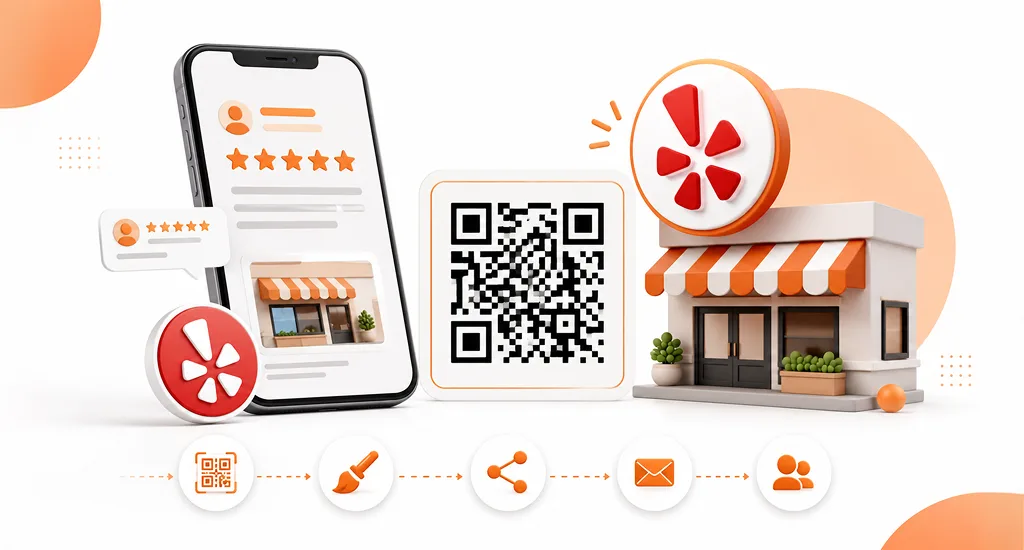
Use short links or QR codes for convenience and automate timing so requests are sent soon after service. This method works with reputation management software and fits your review policy for fair, transparent collection.
2. Daily Monitoring & Alerts
Check reviews every day to spot problems quickly. Free and paid review monitoring software can notify you when a new comment appears. Set thresholds for urgent alerts, then triage reviews based on severity.
Prompt attention prevents minor complaints from escalating and helps you address suspicious posts before they spread.
3. Staff Training & Response Playbook
Your team must know how to handle online feedback consistently. Create a playbook with roles, scripts, and service-level agreements (SLAs). Assign who responds to different types of reviews and define escalation steps for suspicious or fake posts.
Well-trained staff improve review monitoring efficiency and keep your public replies professional.
Long-Term Protection to Take Against 1-
Star Review
Protecting your business goes beyond reacting. A strong plan helps prevent fake reviews from damaging your reputation while showing future customers you handle issues responsibly.

1. Client Verification & Documentation
Start with clean records. Keep intake hygiene by collecting accurate names, emails, and phone numbers. Assign unique IDs to every client and reconcile names or possible aliases.
This approach ensures you can quickly verify customers and prove whether someone ever used your service. Proper documentation also strengthens your case if a review is fake or misleading.
2. Insurance & Crisis Plan
Consider reputation or cyber insurance to cover damages from false online content. Create a crisis communication plan that defines who speaks publicly, who manages responses, and actions within 48 hours of a suspicious post.
3. Staff Training & Internal Protocols
Train your team to handle online feedback professionally. Assign responsibilities for monitoring, responding, and escalating suspicious reviews. Clear internal procedures reduce mistakes and maintain a consistent voice.
4. Building Relationships with Platform Reps
Strong connections with the review platform support can speed up resolution. Use official partner channels, join local chambers or industry groups, and know when to escalate with proper evidence. Platforms respond faster when they recognize your credibility.
5. Ongoing Monitoring & Reputation Buffer
Regular review, monitoring, and proactive reputation management prevent small issues from growing. Encourage honest feedback safely, respond politely to all reviews, and maintain positive engagement.
Over time, this buffer protects your business from the impact of a 1-star review response, not from my clients, while strengthening trust with prospects.
End Note
Dealing with fake or suspicious reviews is challenging, but staying calm and professional protects your business reputation. Understanding the types of fake reviews, their impact, and platform-specific rules helps you act strategically rather than emotionally.
By following clear steps, verifying the reviewer, documenting evidence, and using proper sample responses to negative reviews, you can manage unfair feedback confidently.
FAQs
How to reply negative review from an actual client?
How to respond to negative Google reviews without violating guidelines?
What’s the best way to word my response to a fake negative review?
Is it worth hiring a lawyer for fake review removal?