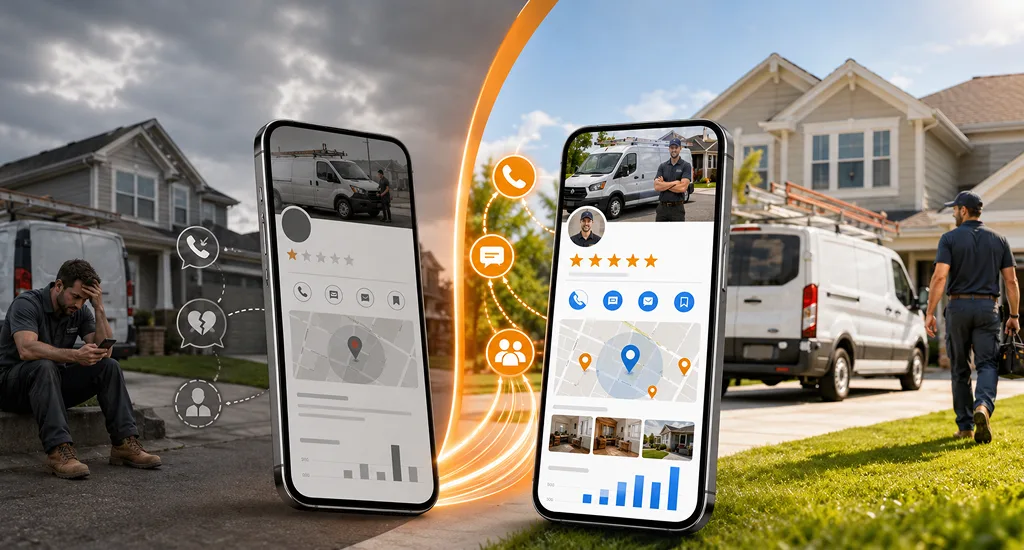
Homeowners today want more than a house; they want a smart home that is safe, efficient, and comfortable. How people search for smart home companies near them has changed with the rise of the internet and online platforms. Most start by exploring search engines, marketplaces, and recommendations from friends or family.
Real data shows that online research is the first step for the majority. People compare services, read reviews, and focus on security, energy savings, and comfort features. Convenience often drives their choices more than anything else.
In this blog, we reveal the real ways in which people search for smart home companies. So, keep reading to learn the patterns and insights.
How Homeowners Actually Search (and Where They Start)
Homeowners rarely call a company first. Most explore options online, guided by reviews, comparisons, and platform features. Their journey shows patterns that reveal what drives decisions and connects them to local services.
Search Engines Dominate Discovery
Google Search and Maps lead the way for local search. Homeowners type phrases like:
- “smart home installers near me”
- “home automation companies in [city]”
- “smart home services near me”
An advanced search and ranking system helps these queries surface the best local results. SEO, Google Business Profiles, and paid Google Ads capture attention and generate calls.
Home Service Marketplaces & Apps
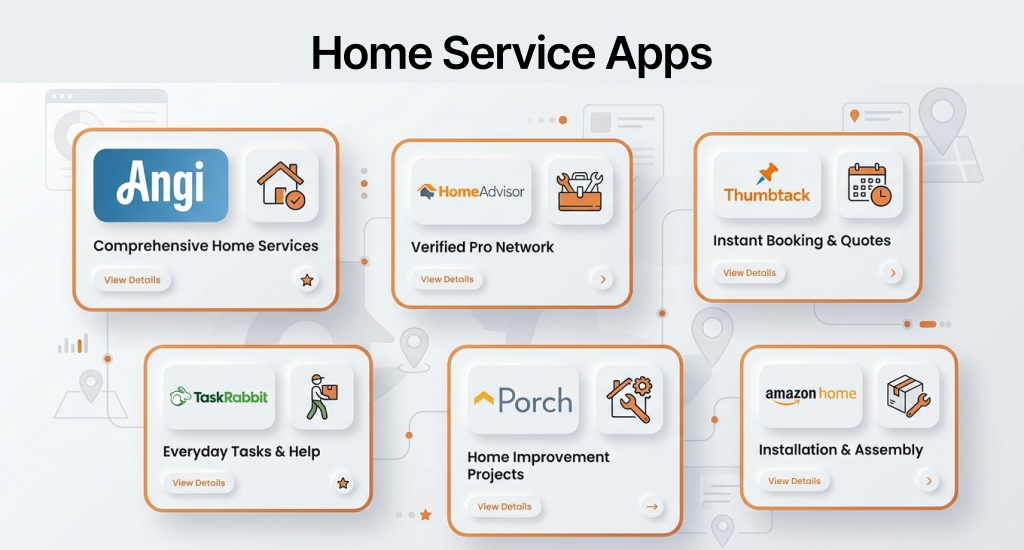
Platforms like Angi, HomeAdvisor, Thumbtack, TaskRabbit, Porch, and Amazon Home Services are gaining trust. Verified professionals, cost comparisons, and review systems influence which provider homeowners pick. These apps make it easy to see top options for local services.
Ecosystem-Specific Searches
Some homeowners start inside their smart home ecosystem: Amazon Alexa, Google Nest, Apple HomeKit, Samsung SmartThings, Control4, Vivint. They focus on devices that integrate smoothly. Compatibility, interoperability, and ecosystem fit often determine which local company they contact first.
Social Proof & Recommendations
Many look to neighbors, friends, or social media for advice. Local reviews, posts, and group discussions guide decisions and reduce uncertainty before calling a provider.
Direct Company Websites
Some homeowners go straight to a company website after seeing it in search results or marketplaces. A clearly designed website with attractive service pages, testimonials, and easy contact options increases the chances of conversion.
Paid Ads & Promotions
Targeted ads on Google, Facebook, or ecosystem apps capture homeowners ready to act. Special offers, seasonal discounts, or service bundles often tip the decision toward a local provider.
The Top Keywords Homeowners Use to Find Smart Home Services
Homeowners do not just type random words when they look for smart home help. They use specific keywords that show what they need, the location, and sometimes the brand names they trust. Some of the common keywords of how people search for smart home companies are categorized below:
Local Intent Keywords (“Near Me” Focus)
Many homeowners want help close to where they live. They add “near me” or their city name in searches to find a local provider quickly. These searches often result in companies that are nearby, can respond fast, and have verified reviews.
Local intent keywords show a strong desire for convenience and immediate service.
- “smart home installers near me”
- “home automation companies [in my area].”
- “licensed smart home installer [city/zip].”
Problem- or Feature-Based Keywords
Homeowners sometimes focus on the problem they want solved or the feature they want in their home. These keywords show exactly what kind of device or service they need. They help service providers understand the demand for specific smart home solutions.
- “smart lighting installation”
- “Wi-Fi-enabled security cameras”
- “smart thermostat installation”
- “energy-saving smart home devices.”
- “automated door locks”
Brand or Platform-Specific Queries
Some searches are about brands or ecosystems. Homeowners often want help with devices they already own or plan to buy. Using brand-specific keywords helps companies reach people. Specifically, those who are ready to hire professionals familiar with these platforms.
- “Google Nest setup”
- “Apple HomeKit installation”
- “Amazon Alexa integration”
- “Philips Hue installer”
- “Samsung SmartThings support”
Service-Level & Expertise Queries
Other homeowners search for expertise and verified skills. They look for certified installers or companies with strong reputations. These keywords reflect trust and quality as top priorities when picking a smart home provider.
- “certified smart home installer”
- “best smart home companies”
- “home automation integrator reviews”
- “CEDIA certified installer near me”
Combination Keywords
Some searches mix location, brand names, and problem into one phrase. These are usually high-intent searches because homeowners already know what they want. Also, they are ready to hire a local expert.
- “Google Nest smart thermostat installer near me.”
Seasonal & Trend Keywords
Search trends also follow product releases or news. Words like “best smart doorbell 2025” or “energy-saving smart lights” appear more often during upgrades or when new devices hit the market.
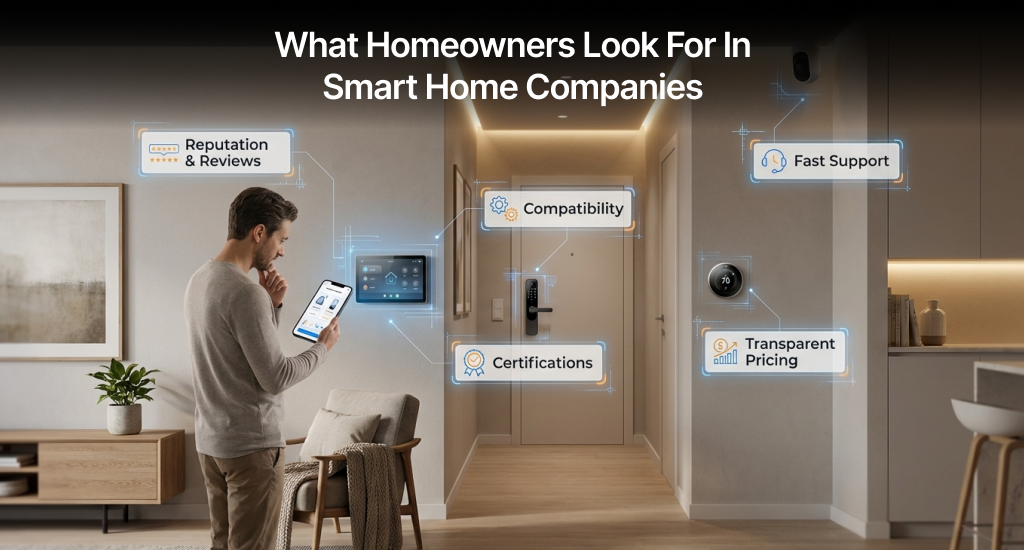
Key Factors That Influence Which Smart Home Company Homeowners Choose
Homeowners do not pick a company at random. They look at signs that show skill, safety, and real value. These simple factors guide most choices and shape trust in local services.
Reputation and Reviews
Many homeowners check the company’s history before anything else. They read what other people say on Google, Yelp, Angi, or HomeGuide. A long list of honest reviews gives them confidence. Positive stories act like a modern form of word-of-mouth and help them trust the provider even before they make contact.
Certifications and Credentials
Some homeowners want proof that the installer meets industry standards. Certifications show skill, training, and real knowledge. Groups like HTA and CEDIA provide badges that show strong ability. Homeowners also look at licensing, insurance, and other clear signs that the company can do the work safely and correctly.
Expertise and Compatibility
Many want experts who can handle full systems, not just a single device. They look for someone who understands how devices connect, how platforms work together, and how to make the entire home run smoothly. This process includes cross-platform setup, whole-home automation, and energy control systems.
Price Transparency and Support
Homeowners often compare quotes to see who offers fair pricing. They also check what happens after installation. A company that explains costs clearly, gives solid support, and offers strong warranties becomes a top choice. Clear answers and simple plans help build trust.
Response Time and Communication
Fast replies matter to many homeowners. A company that answers questions, gives clear updates, and stays easy to reach feels more reliable. Good communication creates comfort, especially for people new to smart home systems.
Alternative Channels Homeowners Use to Discover Smart Home Services
Homeowners explore many places before they choose a smart home provider. These channels help them learn, compare, and hear real stories from others. Each one plays a strong role in guiding local services toward the right audience.
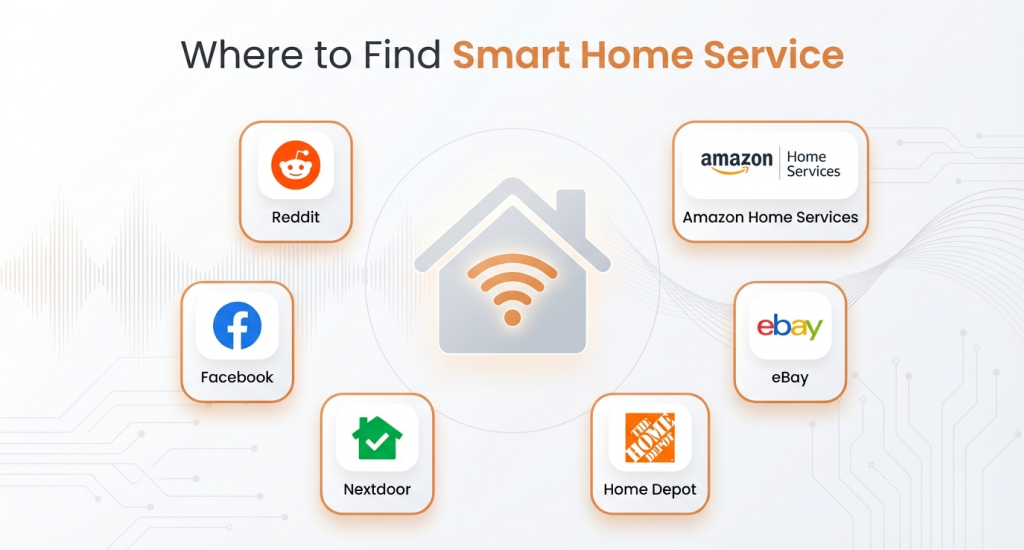
Social Media & Forums
Many homeowners look for advice from real people online. Reddit, Facebook groups, and smart home forums give honest opinions about installers, devices, and common problems. People talk about reliability, system issues, and fair pricing. These open conversations can help homeowners feel more confident before reaching out to a company.
Community Platforms
Local platforms like Nextdoor and neighborhood Facebook groups give trusted advice. Many homeowners ask for nearby experts and get referrals from people they know in their area. These suggestions feel personal and often result in faster decisions because word-of-mouth creates strong trust.
Builder, Architect & Contractor Referrals
A lot of homeowners ask professionals already working on their homes for guidance. Builders, electricians, and renovation teams often know dependable smart home installers. These referrals come from experts who understand the home’s structure and know which installer can handle the setup safely.
Retail & Manufacturer Referrals
Some homeowners follow the path set by stores or brands they trust. Retailers like Home Depot and major platforms like eBay or Amazon Home Services connect customers with certified installers. These links feel safe because they come from well-known companies that people already rely on.
Local Events & Demo Spaces
Homeowners also discover smart home services through tech fairs, showroom demos, and community events. These spaces let them see devices in action and talk directly with trained installers. Face-to-face interaction can really help build comfort and clarity before making a decision.
Real Data on How Homeowners Search for Smart Home Companies
Recent market research reveals clear patterns in how people look for smart home installers. These data points show the strength of both DIY and professional paths and how often homeowners switch from one to the other.
How Much Homeowners Lean on Pros vs DIY
According to Parks Associates, about 29% of consumers eventually call a professional, even though they first try to install smart devices themselves.
Also, 44% of smart home device owners say they have used a professional for at least one device installation.
It shows a hybrid model: many start with DIY but end up hiring experts.
Why People Call Pros After DIY
- Installation difficulty: Some devices are hard to set up without technical knowledge.
- Usability concerns: Pro installs make devices easier to use.
- Return risk: Poor DIY setup often results in device returns because of configuration issues.
Most Desired Smart Home Features
When homeowners do call professionals, their most common needs are:
- Security: Cameras, video doorbells, and alarm systems
- Climate control: Thermostats and heating/cooling management
- Lighting: Automation, smart bulbs, and dynamic lighting systems
Demographic Trends in Pro Installs
According to StreetInsider, younger users (ages 18-24) are twice as likely to struggle with physical installation compared to the general population (42% vs. 19%).
Pro-installed devices often get better satisfaction scores, too. For example, professionally installed smart cameras scored 49 on Net Promoter Score, versus 41 for self-installed ones.
Opportunity for Service Providers
- Many homeowners start on their own but eventually want help.
- The demand for professional installers is rising as smart homes get more complex.
- Installers who provide good post-install support can win loyal customers.
The Psychology Behind Search Behavior
Homeowners do not look for smart home services only because of new tech. Their choices come from simple human needs. These needs shape every search term, every click, and every request for local services. If you understand these motives, they will explain why some companies earn trust faster than others.
Security as a Core Need
Many homeowners want a safer home. They want clear alerts, real-time views, and strong control over doors and cameras. This desire for peace of mind drives a large part of their search behavior. People feel safer when they see reliable systems and trusted installers.
Convenience in Daily Life
Some homeowners want life to feel easier. They want one app to control lights, alarms, and home temperature. Simple control gives them a sense of calm. When they search,
They look for companies that explain services in a clear and friendly way without complex promises.
Lower Energy Use and Better Savings
Energy costs push many homeowners to explore smart thermostats and sensors. They want better control over heating and cooling. They feel more confident when they see proof that the system can reduce waste and lower the bill. This goal often leads them to prefer skilled installers.
Personal Comfort and Home Style
A group of homeowners wants a home that fits their personal taste. They look for lights, scenes, and small touches that match their lifestyle. Their searches reflect this desire for comfort. They often choose companies that show real examples of setups in homes similar to theirs.
Trust Over Flashy Promises
Most homeowners do not decide based on bold claims or fancy images. They want simple proof, good reviews, clear steps, and honest guidance. When a company shows real skill and plain answers, homeowners feel safe choosing them.
What Smart Home Companies Must Do to Earn More Local Customers
Smart home companies can reach more homeowners when they follow clear steps that match real search behavior. People want nearby experts, simple proof of skill, and clear signs of trust. These actions help a business stay visible, reliable, and easy to choose.
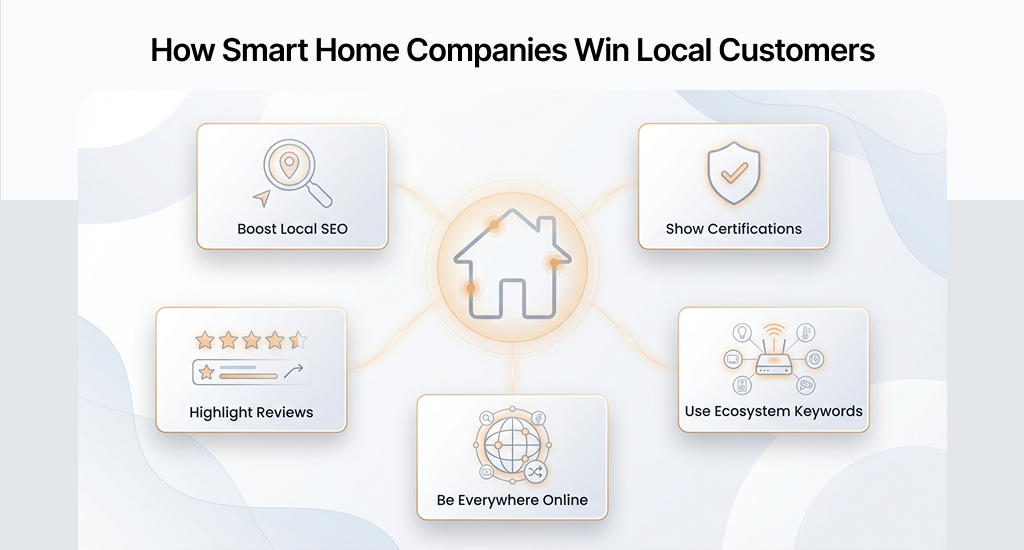
Optimize for Local SEO
Many homeowners type “near me” when they search. A strong Google Maps presence helps a business appear in those moments. Clear keywords, accurate contact details, and fresh reviews make the listing more visible. Simple changes here often bring more calls from nearby homes.
Show Certifications Clearly
Homeowners feel safer when they see proof of training. Displaying HTA or CEDIA badges on websites, profiles, and listings gives a strong signal of skill. These signs can help remove doubts and make the decision easier.
Collect and Display Reviews
A long list of honest reviews builds trust fast. Google, Angi, Yelp, and home service marketplaces all help people feel confident. Encouraging happy customers to leave detailed feedback and even add a picture to a Google review makes that social proof even more powerful. Also, it can give homeowners a reason to choose one provider over another.
Use Ecosystem Keywords
Many homeowners search by device or platform name. Adding terms related to Alexa, HomeKit, Nest, and other systems helps a business appear when people look for brand-specific help.
Moreover, it could be related to any specific solutions/devices for the home. Ecosystem keywords also show that the company understands real customer needs.
Stay Active on Multiple Platforms
People explore many places before choosing a provider. A strong presence on search engines, marketplaces, and community apps keeps the business visible at every step. The more channels covered, the more chances a homeowner has to discover and trust the company.
End Note
People who search for smart home companies now search across multiple platforms, comparing trust signals, reviews, and compatibility before choosing a smart home provider. Companies with local services that stay visible across these touchpoints earn more credibility and conversions.
By aligning your online presence with real search behavior, local intent, ecosystem keywords, and proof of expertise, you can meet homeowners exactly where they’re looking. Consistency across Google Maps, directories, and community platforms is what turns visibility into long-term market dominance.