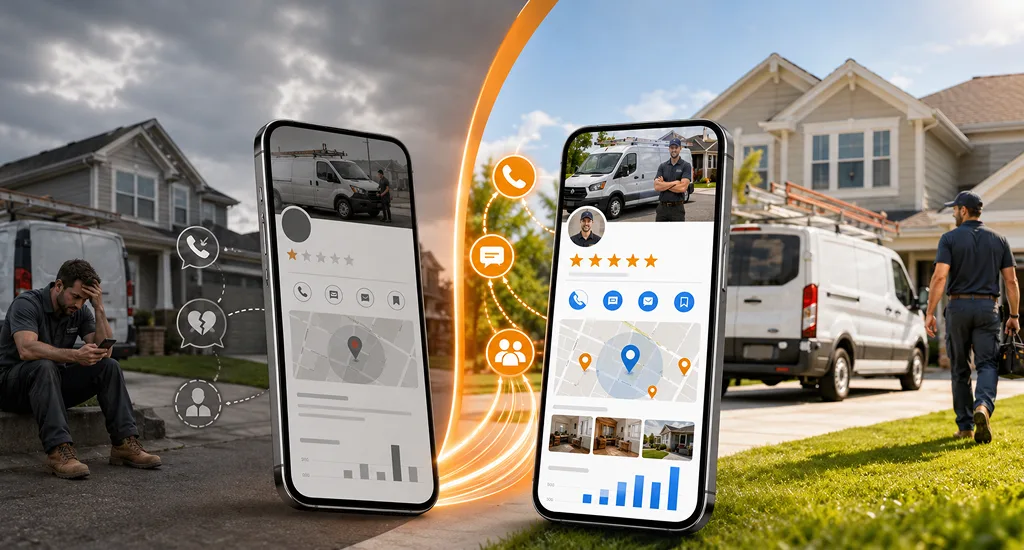
Many people hear about the fast growth of home automation in the world and think that every small company in this field will win easily. The truth is very different. Most local startups struggle.
Many close early. Some reports even show that more than 80% of small home-automation ventures fail because their big tech goals do not match the real needs of the local market.
This blog walks through the facts of growing a home automation business locally, especially the main reasons behind their failures. You will also see simple lessons that any new founder can use to avoid the same problems.
The 7 Core Reasons Home Automation Startups Fail Locally
Many people believe a home automation startup can grow fast because the global market looks bright. But the local story often feels different. Here are seven clear reasons why most teams fail to grow in their own area and how smart founders can avoid the same mistakes.
Poor Product-Market Fit and Weak Local Demand
Many founders dream about high-tech homes. They design products for advanced users. But most local households follow simple routines. Their life runs on basic switches, low-budget devices, and old wiring. When a startup builds a product that needs costly upgrades or complex setups, the average family steps back.
Many people still see smart devices as luxury items. They think, “This looks nice, but my home works fine now.” No one explains the real value in a direct, simple way. People do not hear about lower energy bills, safer homes, or easy daily tasks.
This gap forms because the startup team never studies real homes before launch. They act on guesses, not on real data.
A simple survey, home visit, or talk with local electricians can help. Companies like Growth for Local invest time in local research before they roll out new solutions. This habit builds trust and improves product fit.
Weak Go-to-Market Plans and Poor Local Marketing Execution
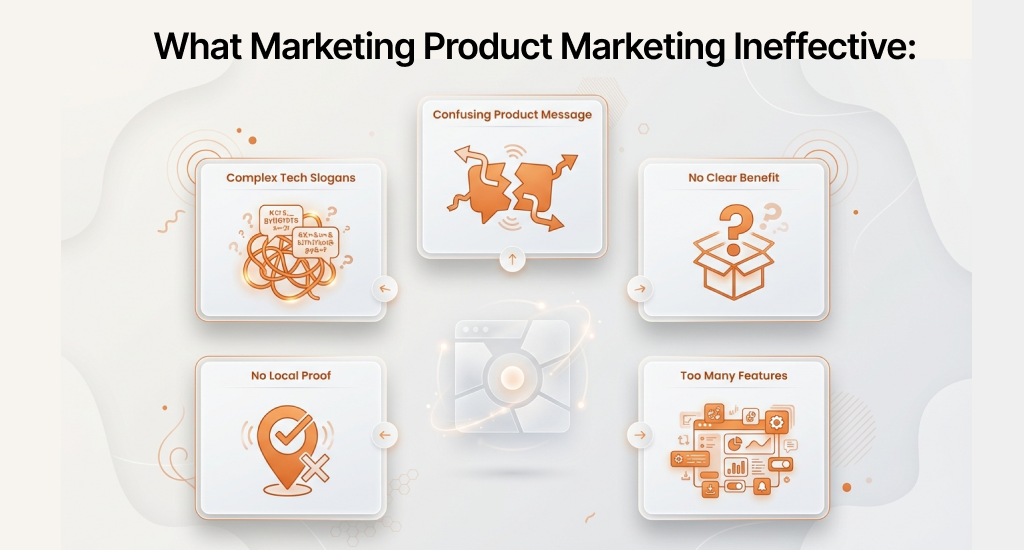
Many startups talk about features in a way that feels confusing to normal homeowners. People want clear stories, not tech words. This is a critical marketing mistake local brands make when they stay silent in local places where trust forms. A few small steps can fix this issue fast.
- Messages sound too technical for a regular family.
- Ads stay online, but people want real local proof.
- No link with builders or electricians who hold local trust.
- Content does not match the local language or lifestyle.
- GFL avoids this mistake by staying active in real communities.
Operational and Technical Scale Problems
Home automation business ideas depend on smooth work on the ground. Many teams set up a few early projects with great care. But things break down when ten new orders come on the same day. Installers arrive late. Calls stay unanswered. Devices do not connect well with older systems. This type of chaos pushes customers away.
Many startups also pick parts from many brands. These parts do not always work well together. A family then faces slow apps, weak signals, or random glitches. The problem grows worse when the support team cannot fix issues fast.
Some leaders hope that advanced software will solve all these problems. But no system can fix a messy process. A strong process must come first. Good teams train every installer well and collect clean data for future upgrades. This is how firms like GFL protect customer trust and grow smoothly.
Poor Money Management and Misuse of Capital
A startup may have a great idea, but a weak plan for money can crush the business early. Many teams spend on shiny features or costly ads before they confirm real demand. A clear plan & expertly planned ads protect the company.
- Cash disappears because true costs feel unclear.
- Hardware and extra labor eat more budget than expected.
- Money flows into fancy tools instead of customer care.
- Growth pushes too fast without a strong base.
- GFL stays careful with each step to avoid this trap.
Leadership, Team, and Adaptability Failures
A startup works well only when the team works well. Some founders see the company as a tech playground. They forget that homes, rules, and people matter more than code. Weak leadership results in confused teams. Installers feel lost. Engineers do not know the real needs of families. Also, the support agents feel stressed.
Some teams also ignore feedback. Families ask for simple buttons, clear apps, and strong safety. Yet the startup failed and stays stuck in its own idea. It causes slow growth and low trust.
Good leaders stay flexible. They listen, test, and adjust. They work with local rules and follow each safety standard. This attitude separates winning teams from the rest. Companies like GFL grow because their leaders stay grounded and adapt fast.
Low Community Presence and Weak Local Visibility
People trust what they see with their own eyes. A home automation brand that doesn’t utilize local SEO, stays offline and invisible, and loses the local crowd. So, a small demo, a tiny booth, or a simple visit can change everything.
- No demo homes or sample setups for people to touch.
- Too much focus on social posts without real follow-up.
- Families feel unsure because they never meet the team.
- Local events are ignored, which gradually slows trust.
- GFL grows faster because it stays present in real spaces.
No After-Sales Care and Weak Long-Term Support
A home automation system must stay active for years. But many startups disappear after the install. Families call for help and get no quick response.
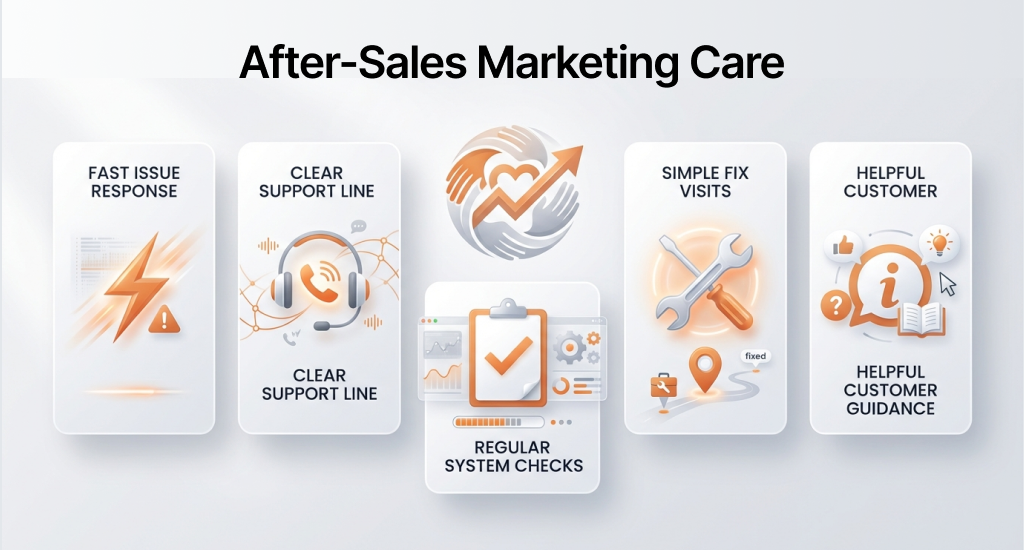
A fake 1-star review, a loose wire, a weak router, or a small software issue can break the entire experience. This frustration spreads fast in local communities. Collaborating with local businesses and strong local branding can mend these service issues.
A strong after-sales plan creates loyal customers. Teams that check in, update systems, and fix small issues fast win repeat business. It is one area where companies like GFL shine. They keep long-term relationships with their customers, which helps them scale steadily.
Additional Factors to Consider: Grow Your Home Automation Business Locally
Growth needs more than tech and plans. A founder must look at real limits, real fears, and real timing. These factors help shape strong home automation business ideas, guide plans for home automation business profit, and show how to start a home automation business locally with fewer risks.
Regulatory Friction
Many teams ignore local rules, permits, or building codes. It results in delays, fines, or blocked installs. A clear talk with local authorities, contractors, or inspectors helps avoid trouble and keeps every setup safe for families.
Consumer Trust Issues
Many families fear hidden cameras, weak passwords, or unknown data use. A simple, honest explanation builds trust. Clear privacy steps, safe networks, and open support make the customer feel in control, and of course, not watched by unknown systems.
Timing in the Local Market
Some founders enter a place before people understand smart devices. Others enter after big players grab the market. A quick review of local customers’ interests, how they search for local services, and budgets helps pick the right moment for stable growth.
Weak Local Education
A family cannot accept a smart setup when they do not understand its purpose. A short demo, simple guide, or small workshop answers fears and doubts. This step works well in areas where tech awareness stays low.
Limited Local Talent Pool
Some regions do not have enough skilled workers who can handle wiring, safe device setup, or simple troubleshooting. A startup grows faster when it trains local youth, guides them well, and builds a dependable team inside the community.
Misalignment Between Tech Ambition and Market Reality for Home Automation Startups
Every problem in this field points to one main cause. Founders dream about global ideas but fail to match them with local needs. Homes, habits, rules, and budgets change from place to place. When a startup ignores this truth, even strong ideas fall apart. A simple framework shows how this gap grows and why it hurts scale.
Fit
This part checks if the product matches the real home, the real family, and the real price level. A strong fit comes from local visits, simple tests, and honest feedback. Without this match, the idea feels exciting to founders but strange to homeowners.
Flow
A startup grows well when its work runs smoothly in line. Installers follow a clear path, support teams answer fast, and every step works the same way each time. When this flow stays weak, every new customer creates pressure.
Funding
Money must support the right steps at the right time. Hardware, tools, and trained staff cost real cash. When a team spreads funds without a plan, the company moves fast at first and then slows down suddenly.
Function
The system must work in real homes without trouble. Devices must connect well, apps must respond fast, and each part must support the other parts. A strong function keeps trust alive because families depend on these devices every day.
Flexibility
A leader must adjust plans when the market sends new signals. Local rules, customer voices, and new habits can shift the path. A flexible leader sees the shift early and guides the team in a safer direction.
Each element supports the others. When one breaks, the whole plan shakes. When more than one breaks, failure grows fast. This framework helps founders understand why early ambition often collapses under real local pressure.
Lessons for Future Home Automation Founders
A strong future in this field depends on practical steps, not big dreams alone. These lessons help founders avoid early mistakes and shape a path that fits real homes, local habits, and stable growth.
Localize Early
Start with a small area and test your ideas in real homes. Simple pilots show how families react, what they accept, and what feels confusing. This early step reveals the truth faster than long plans or guesses.
Build Modular Tech
You should create devices that work well with old switches, local wiring, and popular appliances. A modular plan helps the system blend into any home. Families accept upgrades more easily when each part fits their existing setup.
Prepare Clear Operational Playbooks
Write simple steps for installing work, support calls, and safety checks before you expand. A clear playbook keeps the team steady and avoids chaos when new orders grow. This structure in the grow home automation business locally protects customer trust.
Balance Fresh Ideas with Financial Care

New features feel exciting, but each feature has a real cost. You should spend within limits. Try to protect cash for repairs, safe tools, and skilled staff. A careful approach keeps the company alive long enough to grow.
Invest in Leaders and Installers
A founder can shape the vision, but installers protect that vision inside real homes. Strong training and patient guidance create teams that solve problems fast. A well-trained team builds trust faster than any ad.
End Note
Local scale does not depend on more devices or heavier home automation. Real growth comes from better alignment with real homes, real budgets, and real habits. A founder succeeds when the product, process, and team match the local way of life.
A local market is not a limit. It is a strong base that offers clear lessons, fast feedback, and steady trust. Founders who respect this base move toward safer growth and a stronger future in the home automation business.